 Cascade Climate
Studies at Scale Commencing 2027
Working alongside researchers and commercial actors to tackle challenges that no single project can address, from tracking carbon signals in rivers to running large-scale yield trials on working farms
ERW Science Acceleration
Generating the agronomic and carbon removal evidence needed to bring enhanced rock weathering into compliance carbon markets and government agricultural programs — where it can deliver value for farmers and the climate at scale.
Enhanced rock weathering (ERW) has enormous promise. But to conclusively determine its benefits, ambitious and coordinated research across diverse geographies is needed. ERW builds on a centuries-old agricultural practice — applying agricultural lime to manage soil acidity — by using alternative minerals or application strategies that maximize the permanent removal of atmospheric carbon. The potential benefits are three-fold: healthier soils, higher crop yields, and accelerated carbon removal.
But evidence gaps remain, and if ERW is going to earn the trust of policymakers, markets, and farming communities, those gaps need to close at the speed the climate demands.
Bedrock Initiative critically strengthens the evidence base for ERW — generating research more transparent than commercial projects, more coordinated than individual studies, and built to complement both. Across three efforts, Bedrock focuses on the questions that individual actors are structurally least able to tackle — longer time horizons, broader geographic coverage, and rigorous assessment of agronomic outcomes. Research designs are built to surface null or inconclusive results alongside positive ones.
The goal is to generate the scientific and economic case for ERW spanning the climates, soils, and farming systems where ERW shows the most promise, build trust among farmers, and advance the policy mechanisms — compliance carbon markets and government agricultural programs — that can drive durable adoption.
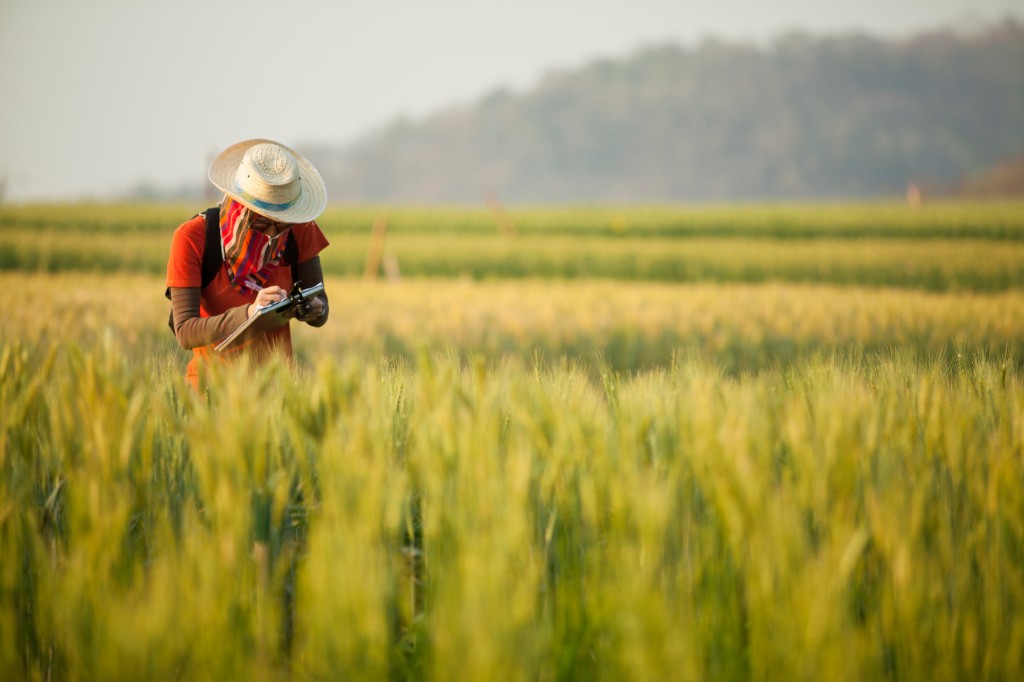
A network of intensively measured field sites generating high-quality, truly comparable data across diverse soils, climates, and agricultural systems
Learn more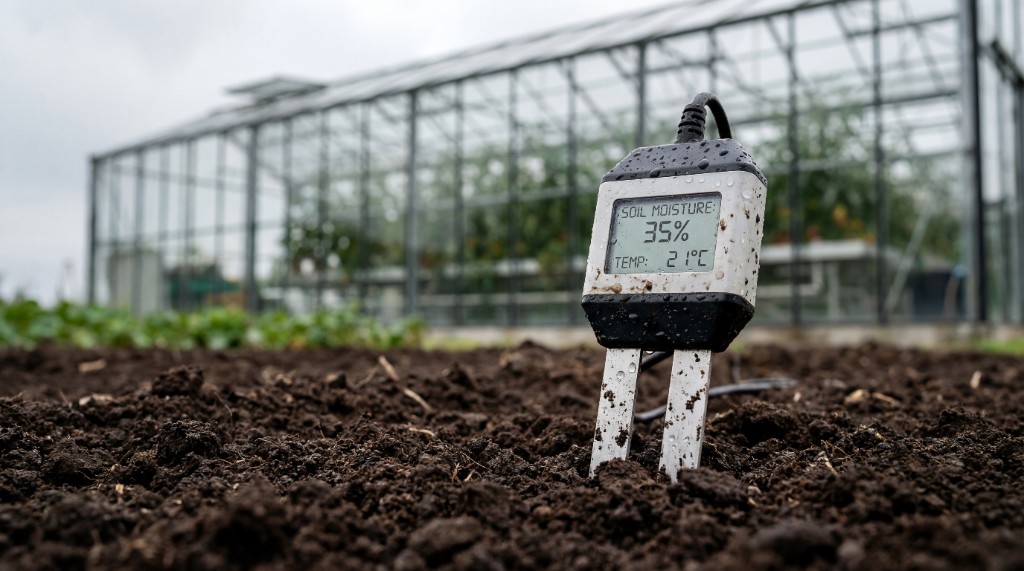
Convening leading academic geochemical modelers to examine the soil-system impacts of ERW using multi-model ensembles
Learn more Working alongside researchers and commercial actors to tackle challenges that no single project can address, from tracking carbon signals in rivers to running large-scale yield trials on working farms
“Cascade Climate's commitment to enhanced weathering research comes at a critical moment. Building the scientific foundation — from mechanistic understanding to rigorous monitoring and modeling tools — is essential for determining whether and how this approach can scale as a meaningful climate solution.”
The Bedrock Initiative draws founding support from Cascade Climate, Chan Zuckerberg Initiative, Frontier, Google, Grantham Foundation, King Philanthropies, Kissick Family Foundation, and Patrick J. McGovern Foundation. These catalytic funders will crowd in additional sources of support as the program scales.
Bedrock is governed through a Steering Committee for strategic planning and investment decision-making, a Scientific Advisory Board for scientific oversight, and fit-for-purpose working groups for on-the-ground coordination, experimental design, and data analysis. To learn more, please visit Governance.
Bedrock Initiative is built to serve the scientific community working on ERW and we welcome partners. To learn how you can get involved, email us.
Government agricultural programs, compliance carbon markets, and national GHG inventories all need the same thing from ERW: a reliable and independently validated evidence base. If you are developing policy frameworks where ERW could play a role, we’d welcome a chance to learn more about your needs — and look forward to building toward it. Email our Policy team at [email protected].
For all other inquiries — whether funding, partnerships, or something we haven't thought of yet — please email [email protected].
“Enhanced rock weathering is a promising carbon removal pathway, yet its open-system nature presents real challenges for monitoring, reporting, and verification. The Bedrock Initiative will enable the rigorous, long-term measurement needed to narrow uncertainties and strengthen confidence across the field.”
Click a question to view the answer
ERW builds on a centuries-old agricultural practice — applying crushed minerals to farmland — to permanently remove CO2 from the atmosphere while improving soil health and crop yields.
Bedrock Initiative is a coordinated research program generating agronomic and carbon removal evidence that ERW needs to enter compliance carbon markets and government agricultural programs. It works across three fronts: a coordinated field research network, a model acceleration effort, and studies designed to produce answers that only emerge at scale. These efforts complement work taking place across the field.
Bedrock isn't trying to answer every open question in ERW science, and it isn't a substitute for work already underway across academic labs and commercial deployments. It fills a specific gap — coordinating standardized, transparent research across many geographies at a scale that no single actor is positioned to do alone.
The Coordinated Research Network (CRN) is prioritizing pilot sites in regions that combine high weathering potential and meaningful benefits to farmers — such as but not limited to Brazil, India, Kenya, and parts of the United States. The first pilot sites will be selected in 2026, scaling toward a larger network of sites over the coming years.
All data will be shared under a non-commercial use license on timelines designed to incentivize rapid, high-quality science that the global research community can build on. This data will also complement Cascade's broader Data Quarry platform. To learn more, visit the Coordinated Research Network FAQ.
Bedrock is governed through a structure convened and supported by Cascade Climate, including a Steering Committee with decision-making authority over funding and the annual operating plan, a Scientific Advisory Board of leading researchers providing scientific oversight, and fit-for-purpose working groups that support coordination, experimental design, and data analysis across research programs. To learn more, please visit Governance.
Bedrock Initiative draws founding support from Cascade Climate, Chan Zuckerberg Initiative, Frontier, Google, Grantham Foundation, King Philanthropies, Kissick Family Foundation, and Patrick J. McGovern Foundation. These catalytic funders will crowd in additional sources of support as the program scales.
Bedrock Initiative is convened and supported by Cascade Climate. This includes fundraising, the coordination of the research agenda across the three programs, and the convening of governance and working groups.