 Cascade Climate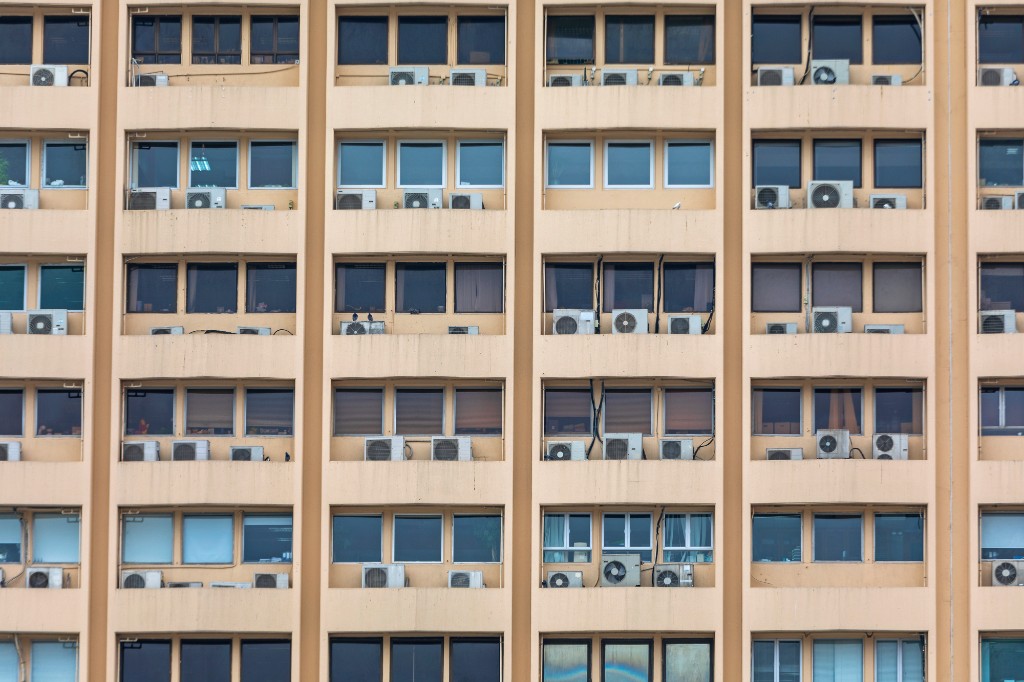
Refrigerant Management and Transition
Reducing super pollutant emissions — including refrigerants with high global warming potential (GWP) — is one of the most immediate opportunities we have to limit near-term warming. Yet as cooling demand surges, particularly in the Global South, high-GWP refrigerant emissions risk rising in lockstep.
Lifecycle refrigerant management (LRM) reduces avoidable emissions from the installed base of refrigerants through improved leak management, recovery at servicing and end-of-life, reclamation, and destruction where reuse is not feasible. Refrigerant transition lowers the emissions impact of new equipment entering the market by promoting the use of lower-GWP alternatives and more efficient cooling technologies. Together, these strategies help countries meet their commitments to phase down high-GWP refrigerants while making refrigerant supply more secure and affordable — particularly in markets that depend on imports.
Cascade is working to close the finance, incentive, and infrastructure gaps that hold back LRM implementation. We're supporting first-of-their-kind demonstrations, learning what works on the ground, and collaborating with policymakers and industry to build the institutional frameworks that reflect the diverse operating realities of the Global South.
HIGHLIGHTS
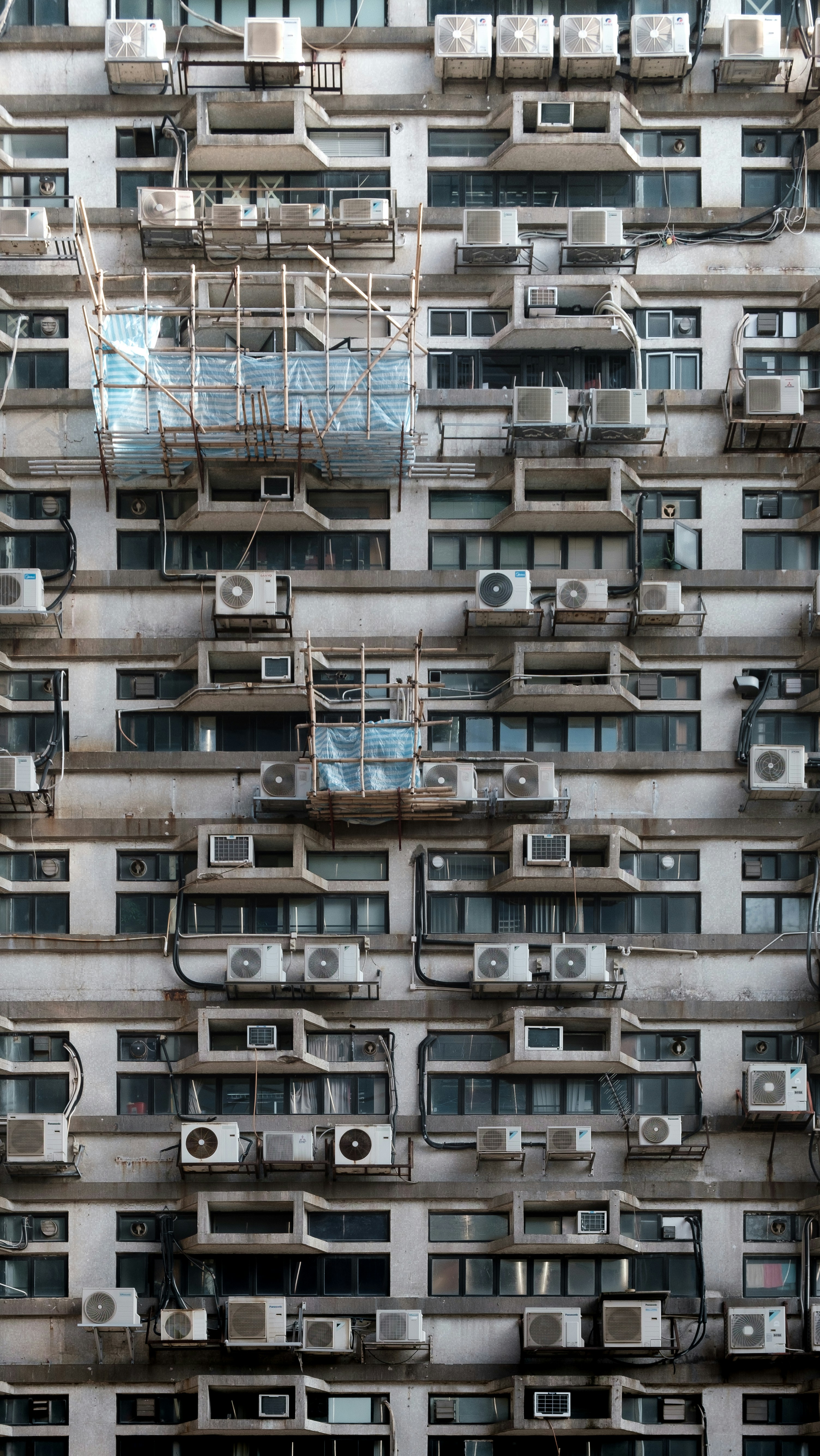
Can the right sequence unlock refrigerant recovery at scale?
Learn how Cascade is sequencing financing, policy, and markets to build practical refrigerant recovery systems in Southeast Asia.
Learn More
HFC Destruction in Article 5 Countries
Our new report lays out guardrails and recommendations for using carbon finance to destroy potent refrigerants in Article 5 countries under the Montreal Protocol.
Learn More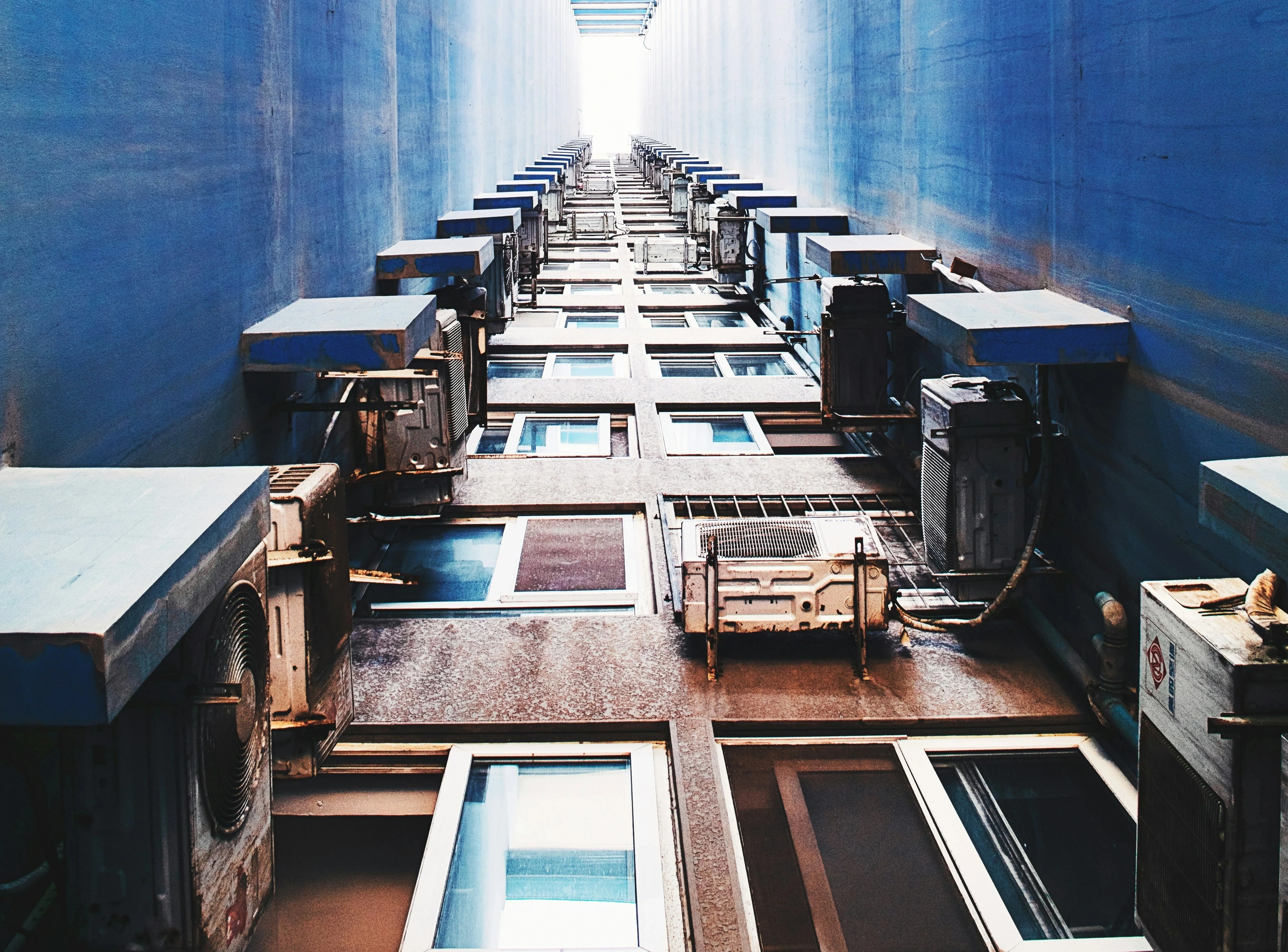
Why lifecycle refrigerant management matters
Learn about the benefits, what's blocking progress, and how strategic interventions can unlock immediate climate wins and build economic resilience.
Learn More
Super pollutant mitigation needs a bigger push — and we're joining the effort
Meeting the climate challenge requires cutting super pollutants for near-term impact while scaling carbon removal for the long term. Cascade is expanding its work to advance this dual strategy.
Learn More