Call for Expressions of Interest: Coordinated Research Network for Enhanced Rock Weathering

Em breve: chamada para manifestações de interesse em português

Cascade Climate is seeking expressions of interest from institutions to host and operate globally-coordinated enhanced rock weathering (ERW) research sites. We are standing up a global Coordinated Research Network (CRN) of standardized experimental field trials across diverse global geographies. We aim to establish up to 15 standardized sites, beginning with one or two pilot sites launching in 2026 with secured philanthropic funding for five years.

By deploying standardized protocols, measurement strategies, and experimental designs, the CRN will achieve what isolated studies cannot: field-wide learning enabled by comparable datasets across global contexts. Host sites will receive operational funding, authorship opportunities on site-specific and network-wide publications, and access to a global community of ERW researchers.

Continue reading to learn more about the CRN and how to submit an Expression of Interest.

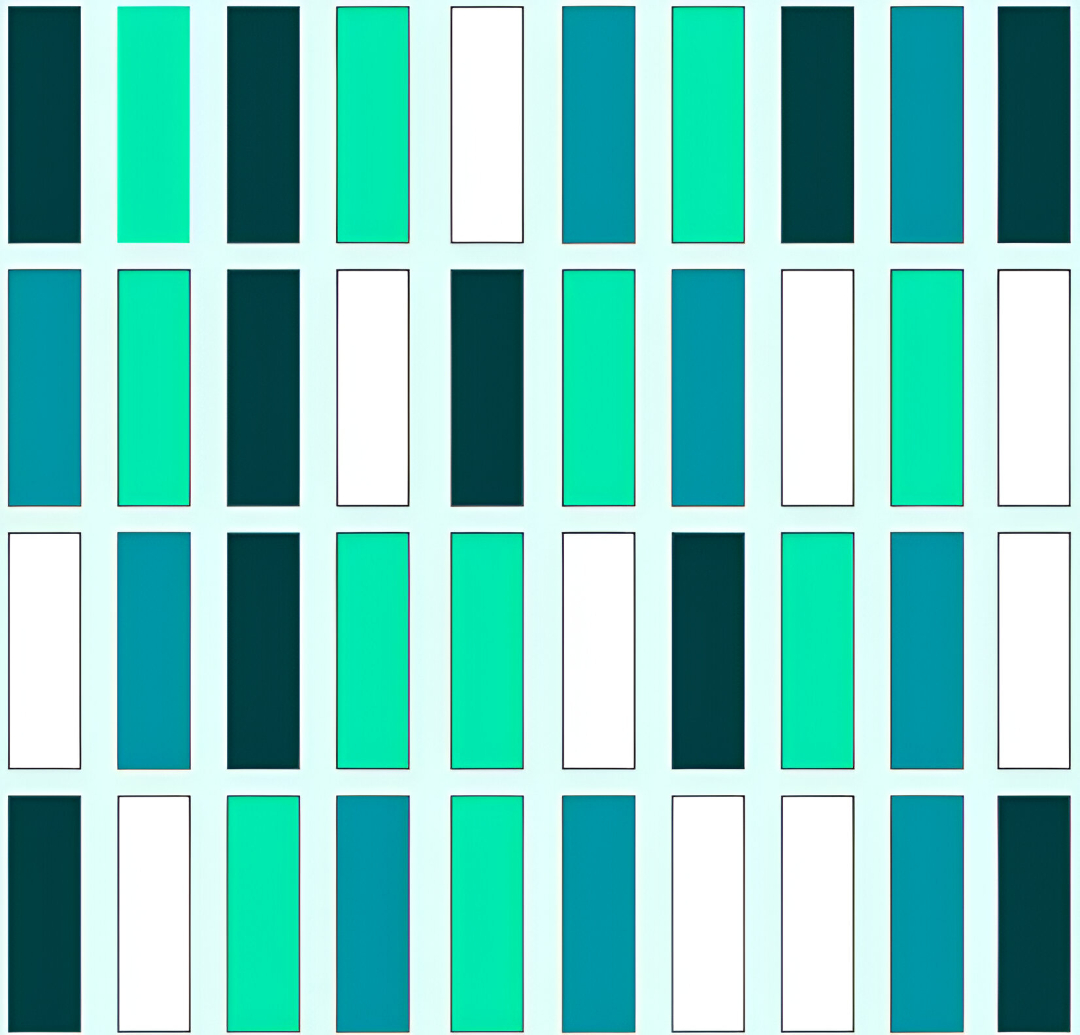
Example CRN block design
Deadline

March 10, 2026 at 11:59PM ET

Virtual Information Sessions

Wednesday, Feb 18 10:00 PM ET (3:00 AM GMT+1) Register

Tuesday, Feb 24 10:00 AM ET (3:00 PM GMT) Register

The Challenge

Enhanced rock weathering (ERW) is a carbon dioxide removal (CDR) strategy that involves the spreading of alkaline crushed rock feedstocks (including silicates, carbonates, or other alkaline materials) on agricultural soils. The quantification of carbon removal in an ERW deployment is complex, and involves a range of biogeochemical fluxes. A brief explainer on enhanced rock weathering can be found here.

Rigorous work across an expanding ecosystem of stakeholders and approaches is driving real progress on ERW. Yet there remains a need for coordinated research across a range of site characteristics with consistent, mutually comparable experimental designs and measurement strategies to efficiently answer the key questions faced by the field.

The Objective

The Coordinated Research Network (CRN) is our response to this challenge. It aims to establish up to 15 highly-standardized ERW field sites in sub-tropical or tropical climates. We are targeting one or two sites for a 2026 deployment for which we have secured philanthropic funding to support over a five year period.

The CRN intends to answer these questions:

  1. Across a range of soils and climates, what is the carbon removal potential of ERW and on what timescales? Field studies have produced divergent estimates1,2,3,4,7,8, and differences in measurement strategies, objectives, data reporting, and site conditions make it difficult to draw broad conclusions.
  2. How can different CDR quantification strategies (e.g., measuring changes in soil chemistry, measuring changes in porewater chemistry, using ion exchange resins) help us understand the full picture of feedstock weathering and transport of carbon? Deploying these methods side-by-side will help clarify the complexities of the weathering process and compare between different measurement methods.
  3. What are the agricultural benefits of ERW, and what factors drive them? Reported yield impacts1,5,6 range from negligible to dramatic, but studies often lack proper controls or statistical power to isolate the mechanisms underpinning these effects.
  4. What happens to weathering products in deeper soils? Reactions below the commonly measured depths may reverse carbon removal, but these dynamics are difficult to observe and poorly represented in models.
  5. Across these sites, the network will attempt to reconcile different measurement strategies — solid phase, aqueous phase, and ion exchange resins — and to track the fate of cations in deeper (~1m) soils, where significant uncertainty remains. Agronomic parameters will also be measured on all sites in order to better understand what mechanisms lead to observed crop yield improvements. Measurements will also help to constrain the variability of key soil parameters to support the development, calibration, validation and intercomparison of geochemical models.

The Opportunity

We are seeking expressions of interest from institutions that can host and operate a CRN field site. Strong candidates will have:

  • Long-term, secure access to suitable agricultural research sites in areas with high weathering potential
  • Institutional capacity to host, operate, and manage a multi-year field trial
  • Relevant expertise in soil science, biogeochemistry, hydrology, agronomy, or other fields closely related to ERW science
  • Willingness to collaborate in a global collaborative research network, follow standardized protocols and site design, and contribute to a global network-wide synthesis

If you are potentially interested in hosting a CRN site, please complete the Expression of Interest form by March 10, 2026.

For more information on:

Register at the linked buttons above for one of two scheduled information sessions about the CRN and EOI process on Zoom.

For additional questions, please contact [email protected].

EOI Frequently Asked Questions (FAQ)

Click a question to view the answer

Participation: Why participate in the CRN?
  • Help advance science on the potential carbon dioxide removal (CDR) and agricultural benefits of enhanced rock weathering (ERW) globally.
  • Participating institutions and researchers will receive:
    • Funding to support site operations, personnel, and equipment (see the Site Selection Criteria for more detail on the anticipated personnel roles and level of effort).
    • Lead or senior authorship on publications arising from their site.
    • Co-authorship opportunities on global synthesis studies.
    • Access to a global network of ERW researchers and support from Cascade Climate. This includes help developing standardized protocols and training; data management infrastructure; and connections to an international research community. Teams should anticipate that openness and collaboration are core to the CRN model as indicated by the Global Scientific Collaboration and Data Sharing and Publication statements that conclude the EOI form.
Eligibility: Who should submit an EOI form?
  • Any person who has a field site that aligns with the site characteristics described in the Site Selection Criteria should submit an EOI.
  • See our Conflict of Interest Policy for more information on who is eligible to host or manage a CRN site, including how ERW Project Developers can engage with the CRN.
  • Please submit one EOI form per specific site. If you have identified multiple potentially eligible sites, you are encouraged to submit multiple EOIs so you can share information on each site individually.
  • We prefer submissions in English and welcome materials translated from other languages.
  • The Site Selection Criteria distinguishes between required and preferred characteristics. Sites that meet the required criteria but lack some preferred criteria will still be considered. For example, if your site is not within the preferred pH range, you should still apply, as there are other factors (such as soil buffer capacity) that may allow a lower pH soil to be accommodated.
  • For the initial pilot phase, we are prioritizing sites in areas that combine high weathering potential, benefits to farmers, and signals of commercial activity (e.g. Brazil, India, Kenya, countries in Southeast Asia, etc.). As the network scales, we anticipate expanding to additional geographies, and will use submissions to this EOI to also identify sites that may be a fit later in our process.
  • We encourage you to submit even if:
    • Your site doesn’t meet every preferred criterion
    • Not all of the required roles are filled
    • Launch may not be possible in 2026, since the network will scale over time
  • If you are a researcher (PI) who is interested in engaging with the CRN, but do not have a site to propose for a field trial, please email us at [email protected]. Include your name, institution/organization, public profile (professional webpage, Google Scholar, ResearchGate, or similar), the specific geographies where you work, and a brief description of your interest in the CRN.
Process: What is the EOI deadline and next steps?
  • The deadline for EOI submissions is March 10, 2026.
  • We plan to only share submitted information among Cascade Climate staff and academics who are members of our global Scientific Advisory Board and Working Group as needed for review. Information submitted will not be otherwise shared or circulated unless with prior permission by the Primary Contact indicated in the form submission.
  • EOI forms will be reviewed by the Cascade team throughout the month of March 2026.
  • Submissions that best match the Site Selection Criteria will be contacted to discuss next steps in April and May of 2026.
  • While we intend to explore partnerships with all sites that sufficiently meet the criteria, we will need to prioritize formalizing partnerships, developing budgets and pursuing contracting with 1–2 sites that demonstrate a realistic path to full launch before a Fall 2026 or Spring 2027 planting period. A full launch requires a contract in place, onboarded personnel, baseline soil sampling, instrumentation installations, and rock spread before a locally relevant planting season that will happen ideally by March 2027.
Preparation: What should I know before submitting the EOI form?
  • We hope and expect that most applicants will not need to spend more than 30 minutes completing the form, assuming you have the information below readily available. Please note the guidance in the form about refraining from sharing long paragraphs of text; simply listing information is expected and preferred where suitable to respond to a given prompt.
  • Gathering information on the following will be useful in filling out the EOI form:
    • Basic site characteristics (location, area, soil type, soil characteristics, etc.)
    • Information about land access and ownership/management arrangements
    • Your institution’s capacity and relevant expertise to manage such a research trial
    • Any existing infrastructure or instrumentation at the site
Funding: How will site management be budgeted and supported?
  • This call for Expressions of Interest aims to select one to two CRN sites to support their deployment in 2026 – with philanthropic funding secured to fully support site operations for these sites over a five-year period.
  • Cascade will continue to lead fundraising efforts to expand the CRN over time. We anticipate reaching out to additional site partners sourced via this EOI that may be suited to launch sites in 2027-2030 as the program grows toward 12–15 sites over the coming years. Therefore we encourage interested partners to submit an EOI for any potentially eligible trial site even if all partnerships are not yet in place.
  • Funding is intended to cover the costs of operating a CRN field site, including:
    • Personnel (including partial Principal Investigator time and a full-time Site Manager)
    • Instrumentation
    • Sample collection and laboratory analyses
    • Field operations and logistics
  • Site-level budgets will be developed by the Local Operating Team (the collection of partners and personnel managing the trial site) in coordination with Cascade and will be subject to final approval by the Steering Committee.
  • Institutional cost-sharing or matching is not required, but is welcomed where sites can effectively serve multiple purposes. We encourage applicants to leverage other funding sources where appropriate — if your site has existing or pending funding from other grants, please describe this in your EOI.
CRN governance: How will the global network coordinate?
  • All partners must be willing to collaborate on finalizing the site trial design, defining and deploying standardized measurements and field procedures, and establishing and managing data infrastructure, analysis, and eventual publication.
  • CRN governance roles include:
    • A Steering Committee, which has decision-making authority over funding and the annual operating plan of the CRN.
    • A Science Advisory Board (SAB) of leading researchers that provides scientific oversight, reviewing objectives, experimental protocols, and site designs.
    • Working Groups which bring together disciplinary experts to ensure standardization across sites and support experimental design and data analysis. Principal Investigators (PIs) of each site will also be members of the Working Group.
    • Local Operating Teams — typically a Principal Investigator (PI) and a dedicated Site Manager with associated Field and Lab Technicians — that execute the experiments at each field site with guidance from the Working Groups and SAB.
    • Cascade Climate, which plans to provide coordination across global sites. This includes helping develop standardized protocols and training, data management infrastructure, and managing connections across these groups.
  • Cross-site collaboration is central to the CRN model and will include the following elements:
    • Site PIs will participate in regular Working Group meetings, share experiences and lessons learned, and contribute to network-wide synthesis efforts. Working Group meetings will be conducted in English. We will address translation support as needed.
    • The Science Advisory Board has final approval over experimental protocols to ensure scientific rigor and cross-site consistency. However, Local Operating Teams will have input throughout the process and can propose locally relevant questions within, or in addition to (budget permitting) the standardized framework.
    • Local Operating Teams (particularly PIs and Site Managers) are expected to lead site-specific manuscript preparation and publication of results in collaboration with Working Group members, and must also agree to coordinate with the global Scientific Advisory Board for cross-site analysis. We anticipate opportunities for future joint publications from cross-site analyses.
Data sharing: What are the expectations and requirements?
  • Data produced by this collaboration will be shared in pre-defined pathways to accelerate speed to learning, while respecting academic publishing rights and norms.
  • Cascade Climate will provide global data management infrastructure. The CRN is designed to generate field-wide learning in addition to site-specific results. By deploying standardized protocols, measurement strategies, and site designs across diverse geographies, the network will produce datasets that can be meaningfully compared and synthesized — enabling the kind of global analysis that isolated studies cannot support.
  • We expect all Site Host Institutions, PIs, and all other partners involved in data collection will review and sign off on data license agreements, which are required to receive funding. Data license agreements will elaborate on data sharing requirements with expectations such as the following:
    • Data will stream directly into a central repository accessible to Working Group and Scientific Advisory Board members for the purpose of supporting the coordinated nature of the research network.
    • Quality-controlled data will be made accessible to a community of academic geochemical modelers Cascade plans to convene as part of this initiative, for the purpose of calibrating and validating these models.
    • Full datasets at the sample-level will be made publicly available upon preprint submission.
    • Complete datasets will be made publicly available if preprint submission has not resulted in full dataset sharing within a reasonable time following initial rock spread.
    • We may offer an option to apply for a 6-month extension to these policies to protect early career professionals’ publication timelines.
    • All data will be shared under a non-commercial use license.

Footnotes

  1. Kantola, Ilsa B., Michael D. Masters, David J. Beerling, Stephen P. Long, and Evan H. DeLucia. “Potential of Global Croplands and Bioenergy Crops for Climate Change Mitigation through Deployment for Enhanced Weathering.” Biology Letters 13, no. 4 (2017): 20160714. https://doi.org/10.1098/rsbl.2016.0714.
  2. Holden, Fredrick J., Kalu Davies, Michael I. Bird, et al. “In-Field Carbon Dioxide Removal via Weathering of Crushed Basalt Applied to Acidic Tropical Agricultural Soil.” Science of The Total Environment 955 (December 2024): 176568. https://doi.org/10.1016/j.scitotenv.2024.176568.
  3. Vienne, Arthur, Silvia Poblador, Miguel Portillo-Estrada, et al. “Enhanced Weathering Using Basalt Rock Powder: Carbon Sequestration, Co-Benefits and Risks in a Mesocosm Study With Solanum Tuberosum.” Frontiers in Climate 4 (May 2022): 869456. https://doi.org/10.3389/fclim.2022.869456.
  4. Te Pas, Emily E. E. M., Mathilde Hagens, and Rob N. J. Comans. “Assessment of the Enhanced Weathering Potential of Different Silicate Minerals to Improve Soil Quality and Sequester CO2.” Frontiers in Climate 4 (January 2023): 954064. https://doi.org/10.3389/fclim.2022.954064.
  5. Beerling, David J., Dimitar Z. Epihov, Ilsa B. Kantola, et al. “Enhanced Weathering in the US Corn Belt Delivers Carbon Removal with Agronomic Benefits.” Proceedings of the National Academy of Sciences 121, no. 9 (2024): e2319436121. https://doi.org/10.1073/pnas.2319436121.
  6. Haque, Fatima, Rafael M. Santos, Animesh Dutta, Mahendra Thimmanagari, and Yi Wai Chiang. “Co-Benefits of Wollastonite Weathering in Agriculture: CO2 Sequestration and Promoted Plant Growth.” ACS Omega 4, no. 1 (2019): 1425–33. https://doi.org/10.1021/acsomega.8b02477.
  7. Castro, G.S.A., and C.A.C. Crusciol. “Effects of Superficial Liming and Silicate Application on Soil Fertility and Crop Yield under Rotation.” Geoderma 195–196 (March 2013): 234–42. https://doi.org/10.1016/j.geoderma.2012.12.006.
  8. Krahl, Luise Lottici, Leonardo Fonseca Valadares, José Carlos Sousa-Silva, Giuliano Marchi, and Éder De Souza Martins. “Dissolution of Silicate Minerals and Nutrient Availability for Corn Grown Successively.” Pesquisa Agropecuária Brasileira 57 (2022): e01467. https://doi.org/10.1590/S1678-3921.pab2022.v57.01467.
Enhanced Rock Weathering