 Cascade Climate
Enhanced rock weathering (ERW) is a carbon removal method and agricultural practice that has the potential to improve soils and crop performance. But more independent, rigorous, and comprehensive evidence is needed to understand where, when, and to what extent these climate and agricultural benefits occur. This evidence is also essential to building the government, buyer, and farmer confidence needed for ERW to scale appropriately.
Generating this evidence is the goal of the Coordinated Research Network (CRN), a global network of intensively measured field sites producing truly comparable ERW data. The first site in the network has now launched in Mato Grosso, Brazil, led by a research team from the Federal University of Rondonópolis (UFR) in partnership with Aliança SIPA. Additional sites will expand the network across a range of soils, climates, and crops globally.

Today, most ERW field studies are difficult to compare because feedstock selection, experimental design, and measurement methods vary widely. The CRN's shared protocol brings these core choices and measurements into alignment across the network. Researchers will use consistent methods and replicated block designs to track changes in soils, water, carbon, and crop performance while leaving room for additional site-specific research.
Data produced by the CRN will help researchers understand ERW's carbon removal performance and potential agricultural benefits, including its effects on soil pH, nutrient availability, and crop yields. It will also help them understand where carbon removal may be delayed or lost, what environmental risks may arise, how different carbon-accounting methods compare, and how results are shaped by local conditions, like soil composition and weather conditions.
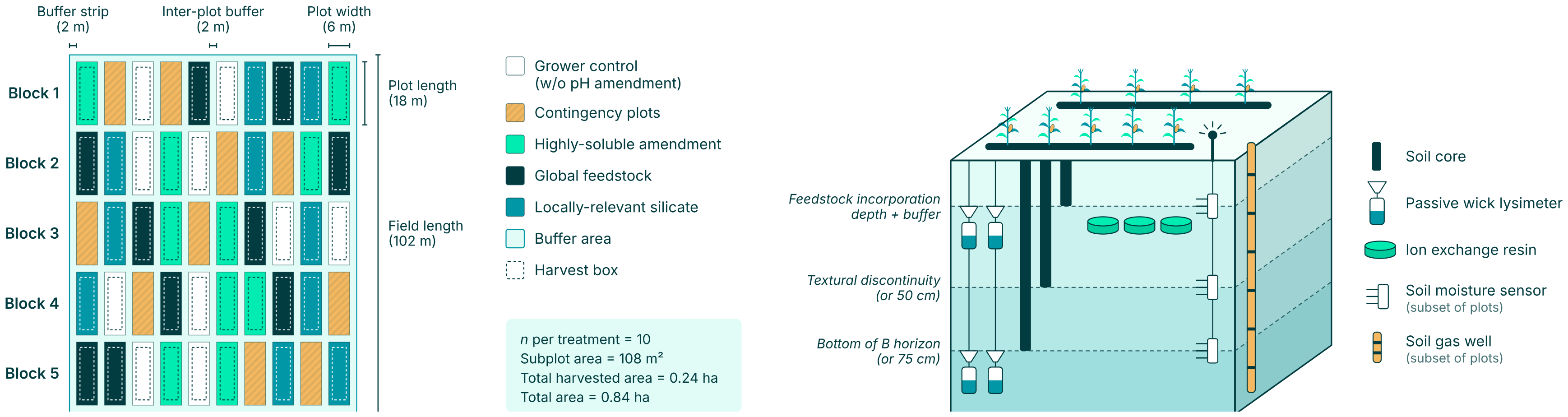
R: What's measured below ground in each plot
Led and supported by highly regarded Brazilian researchers and institutions, this site will be the first to deploy a standardized experimental protocol to generate detailed, consistent data on how ERW performs. The protocol was developed over the past year with researchers, modelers, Cascade's Science Advisory Board, commercial ERW scientists, and ongoing feedback collected from interested teams.
“We're grateful for the incredible UFR team and their commitment to putting shared research protocols into practice,” said Tannis Thorlakson, Senior Program Director, ERW. “Comparability is critical to building the evidence that a broad range of policymakers across the globe can use.”
Meet the team
The team, led by UFR Professor Edicarlos Damacena de Souza, brings deep expertise in regional soils and agricultural systems, including experience with rochagem — the Brazilian practice of applying ground rock powders to soils — and remineralizers, the rock-based agricultural inputs used in that practice.
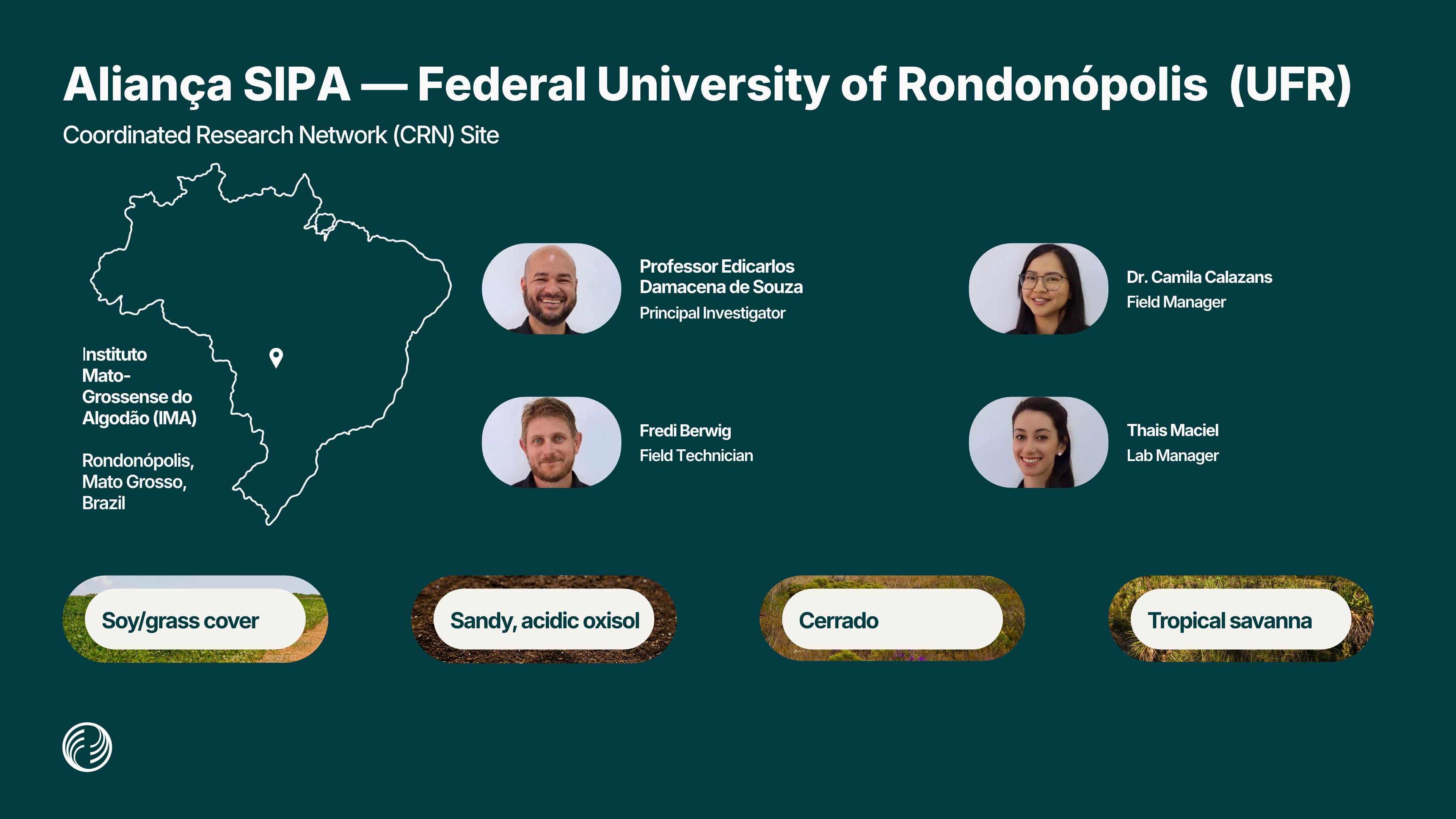
Prof. Edicarlos, a soil scientist, has led long-term field research on soil carbon dynamics, nutrient cycling, integrated crop–livestock systems, and rochagem. Based at the Instituto Mato-Grossense do Algodão (IMA), an agricultural research station and partner of Aliança SIPA and UFR, the site will test ERW in one of Brazil's most important agricultural regions, rich in large-scale soy and maize production, with extensive highly weathered tropical soils. The research grant will be managed by Aliança SIPA, a nonprofit organization that brings public and private sectors together to advance sustainable agriculture.
“Our team has an exciting opportunity to establish Brazil's Cerrado as an international reference point for research on enhanced rock weathering and atmospheric carbon removal,” Prof. Edicarlos said. “And I'm hopeful that over the next five years, we'll produce really strong evidence that demonstrates under which conditions this technology can effectively remove CO₂ from the atmosphere and support more sustainable agriculture.”

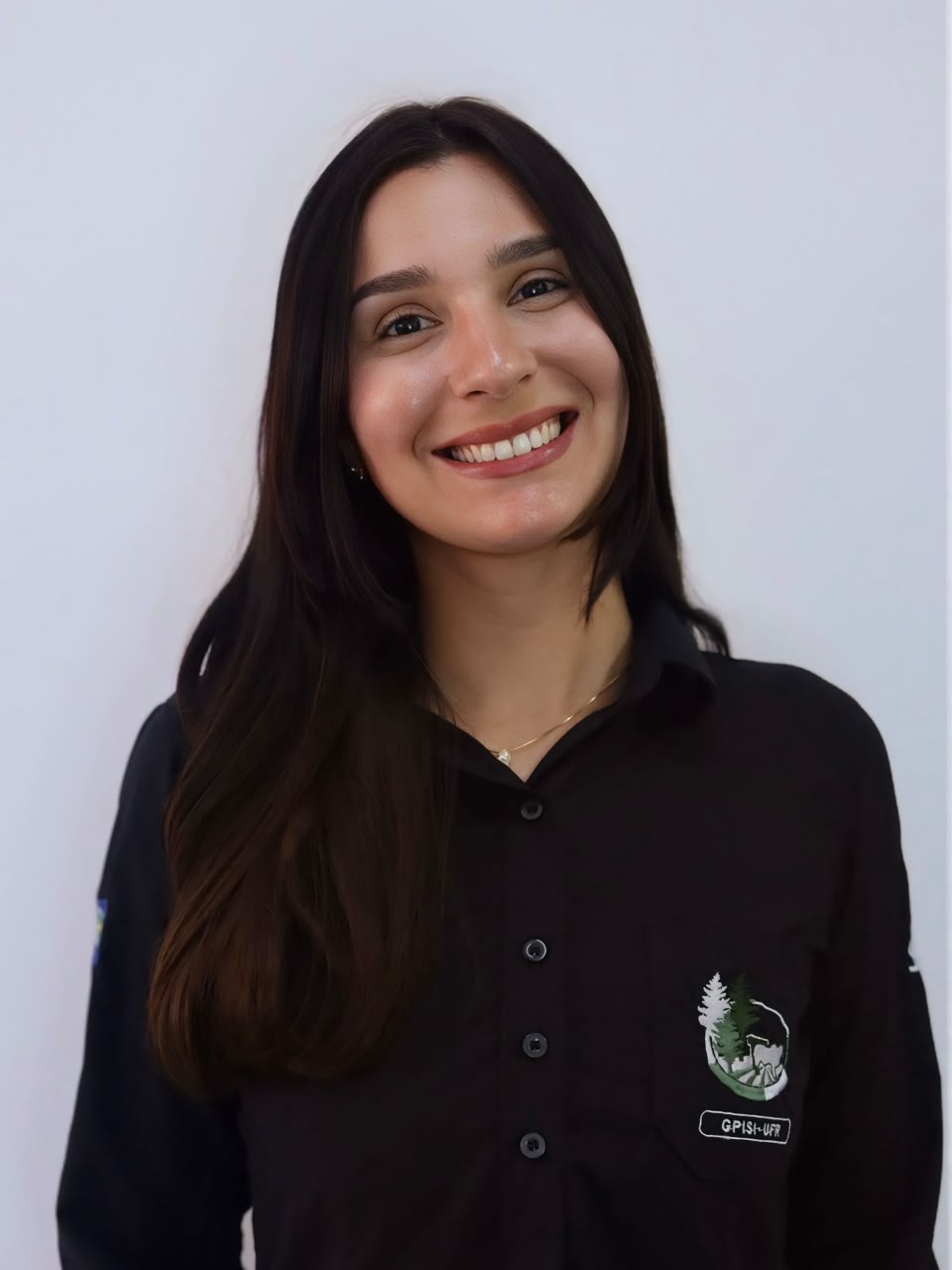 Letícia
 Tanikely
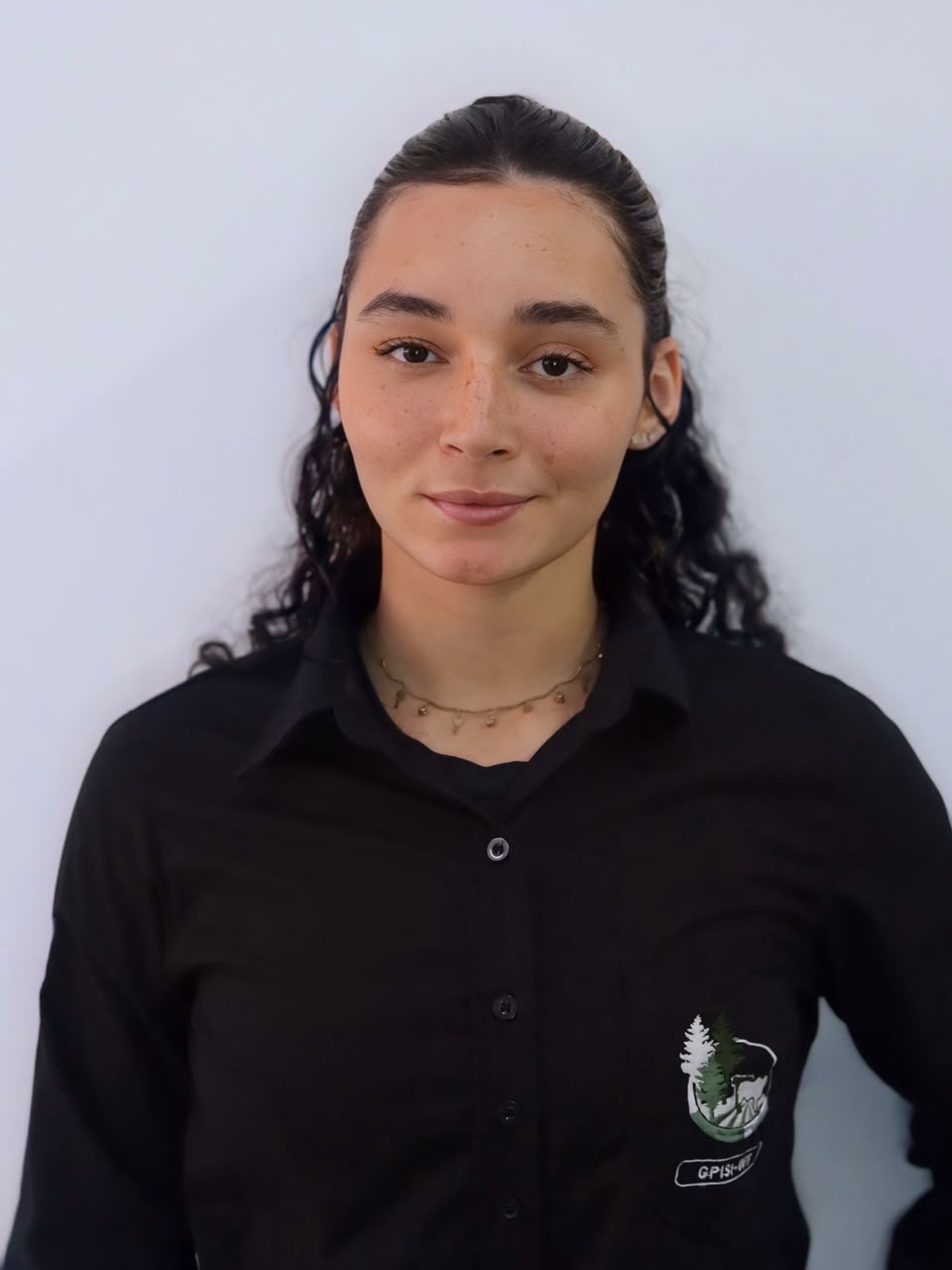 Victória
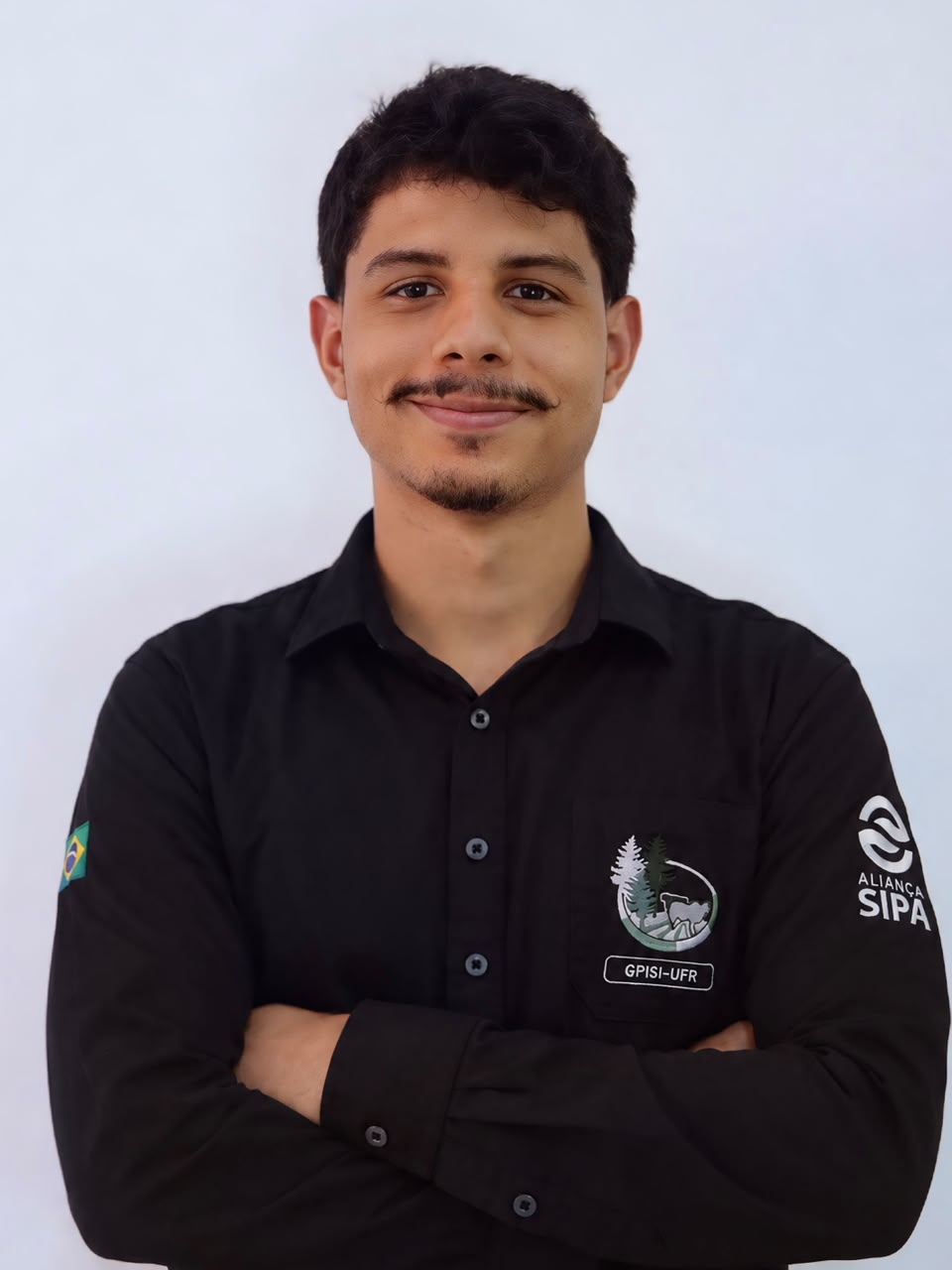 Rogério
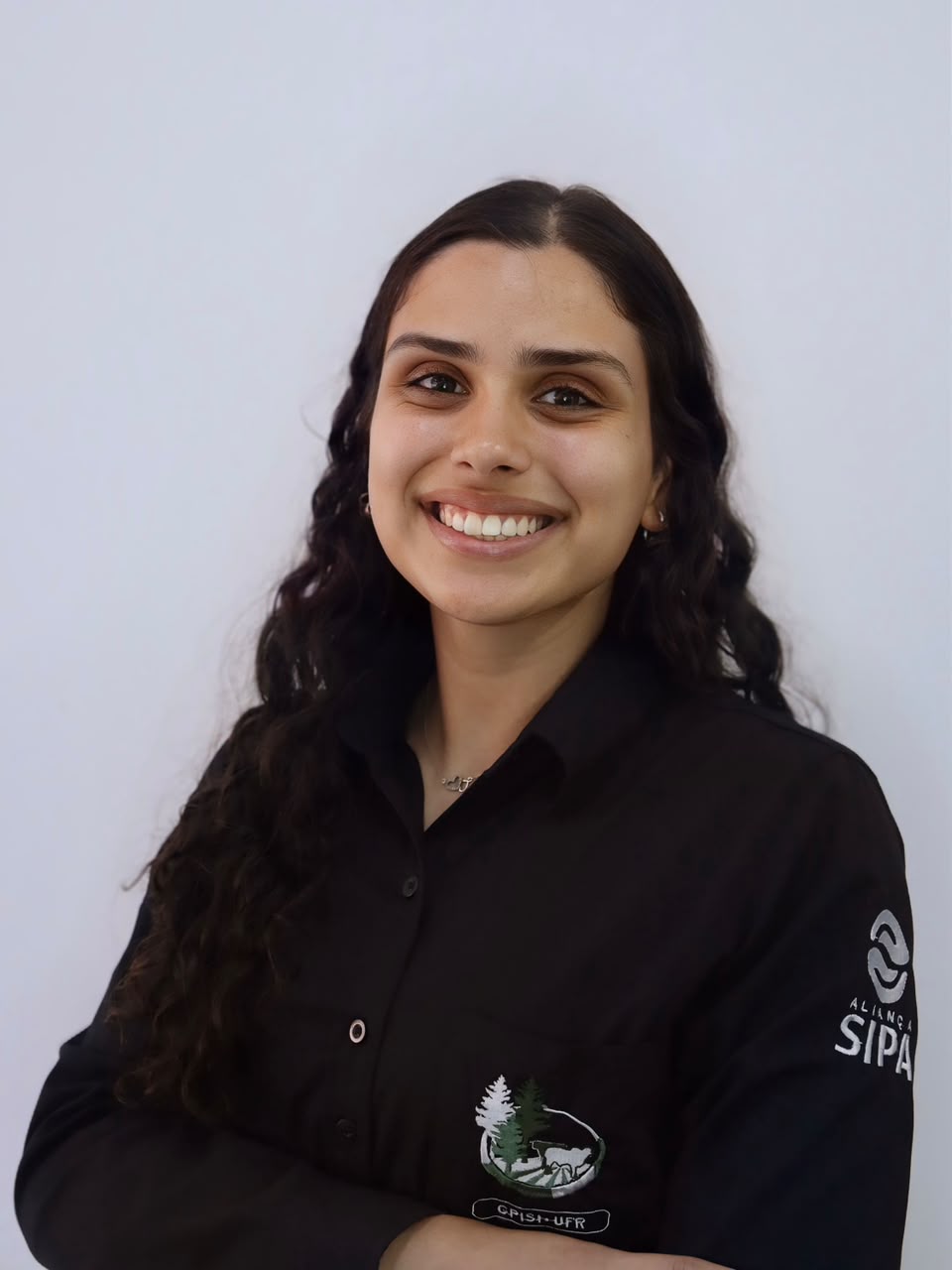 Julia
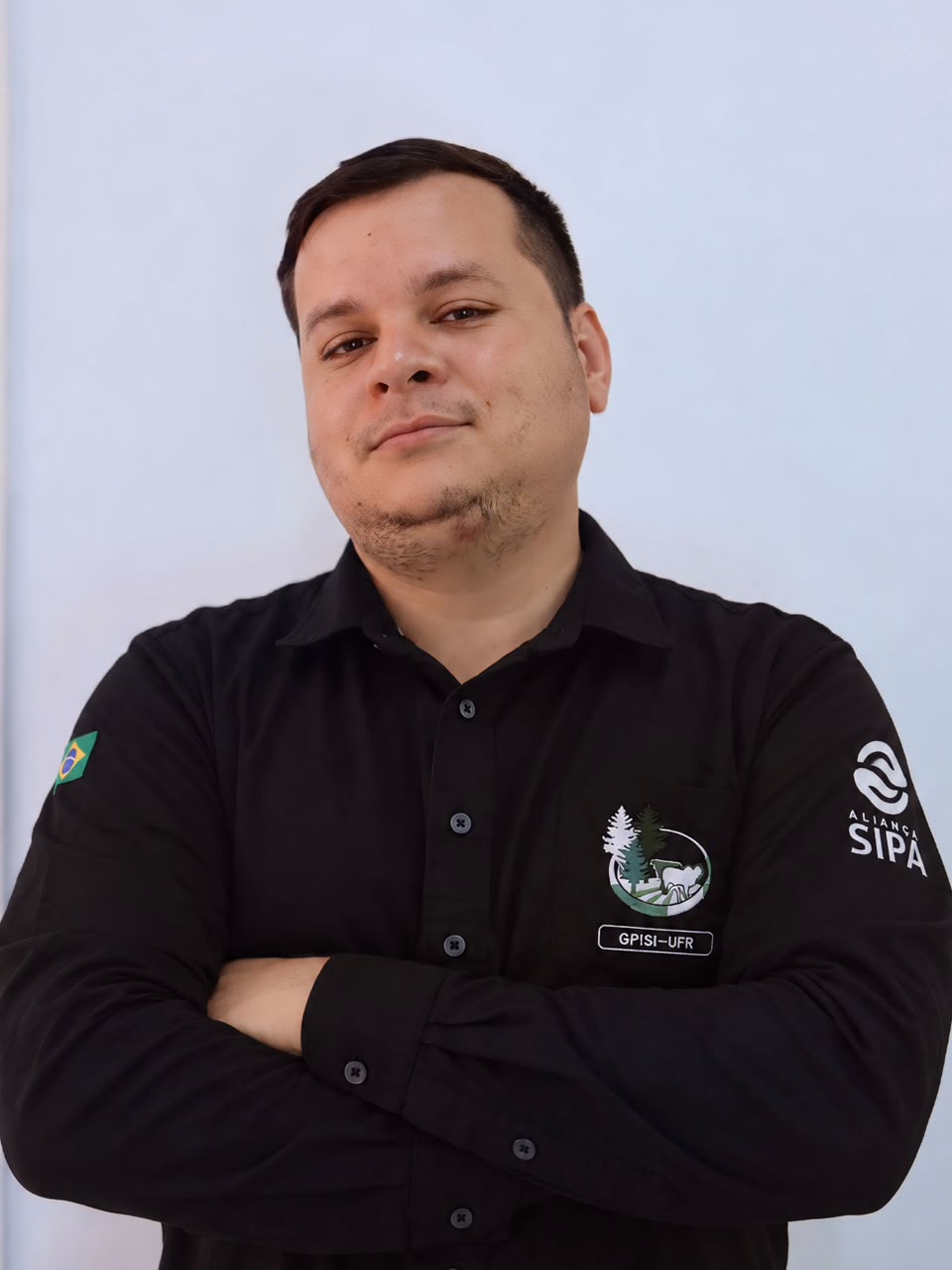 Carlos
Noah Anderson, an ERW Scientist at Cascade, joined the SIPA team in Rondonópolis for two weeks to support preparations for the site's launch. “This is a really ambitious and complex experiment,” Anderson said. “It's been fantastic to work with the SIPA team to bring it from documents and spreadsheets into the real world, with all of the on-the-fly problem solving that entails.”
The problem solving extends below ground, where the team installed 120 lysimeters and 90 resin samplers. The lysimeters, 60 at 25 centimeters depth and 60 at 75 centimeters depth, will collect soil water whose chemistry can help researchers assess carbon removal. The resin samplers sit at 25 centimeters depth, just below the layer where rock powder is mixed into the soil, and will capture dissolved elements released as the rock weathers. Collecting this many samples helps researchers detect the effects of weathering amid natural variation in the soil. “For our measurements to reflect what's happening in the soil, getting these installations right is critical,” Anderson said.
Thais Maciel, Lab Manager on the SIPA team, echoed Anderson's enthusiasm. “It is a great pleasure to contribute to collaborative science that transcends borders and seeks solutions to challenges that are shared globally,” Maciel said.
Why Brazil?
As Cascade's Weathering Potential Explorer highlights, tropical regions like Brazil offer agroclimatic conditions that can accelerate silicate weathering. On top of that, the country has abundant silicate rock near farmland and an established remineralizer supply chain. The world's first ERW credits were issued in Brazil, and it boasts a long history of research and use of silicate rock powders in agriculture.
Éder de Souza Martins, a geologist and researcher at EMBRAPA Cerrados, a unit of the Brazilian Agricultural Research Corporation (EMBRAPA), spoke to Cascade about how this history is informing the future of rock powder application for climate and agriculture benefits. Martins has researched the use of rock-derived materials to improve soil fertility and agricultural productivity in Brazil for nearly three decades.
“Brazilian researchers were studying rochagem and soil remineralization to improve the fertility of our highly weathered soils and make use of regional mineral resources long before the emerging interest in using rock powders for carbon removal,” he said. In 2013, Brazil formally recognized remineralizers as a distinct category of agricultural input, followed by technical regulations in 2016.
Now, the first CRN team will leverage Brazil's soil and scientific expertise to test where ERW can deliver meaningful carbon removal and agricultural benefits across different settings — and where benefits may fall short.
“One recurring lesson from my research is that the effectiveness of these materials depends heavily on the relationship between the rock, the soil, and the production system. Materials with similar chemical compositions can perform very differently in the field,” Martins said. “Recording null or unfavorable results is also essential to establishing the technology's limits and better understanding when and where it is effective.”
What's next?
The lessons learned from deploying the coordinated experimental design and protocols will inform the next set of CRN sites, planned for 2027 elsewhere in Brazil and in other countries with high potential for realizing the benefits of ERW.
After a limited publication embargo, evidence from CRN sites will be shared openly so scientists, policymakers, farmers, and practitioners can build on the findings, accelerating high-quality science and building public trust. The data will also support better models and build toward a multi-site meta-analysis.
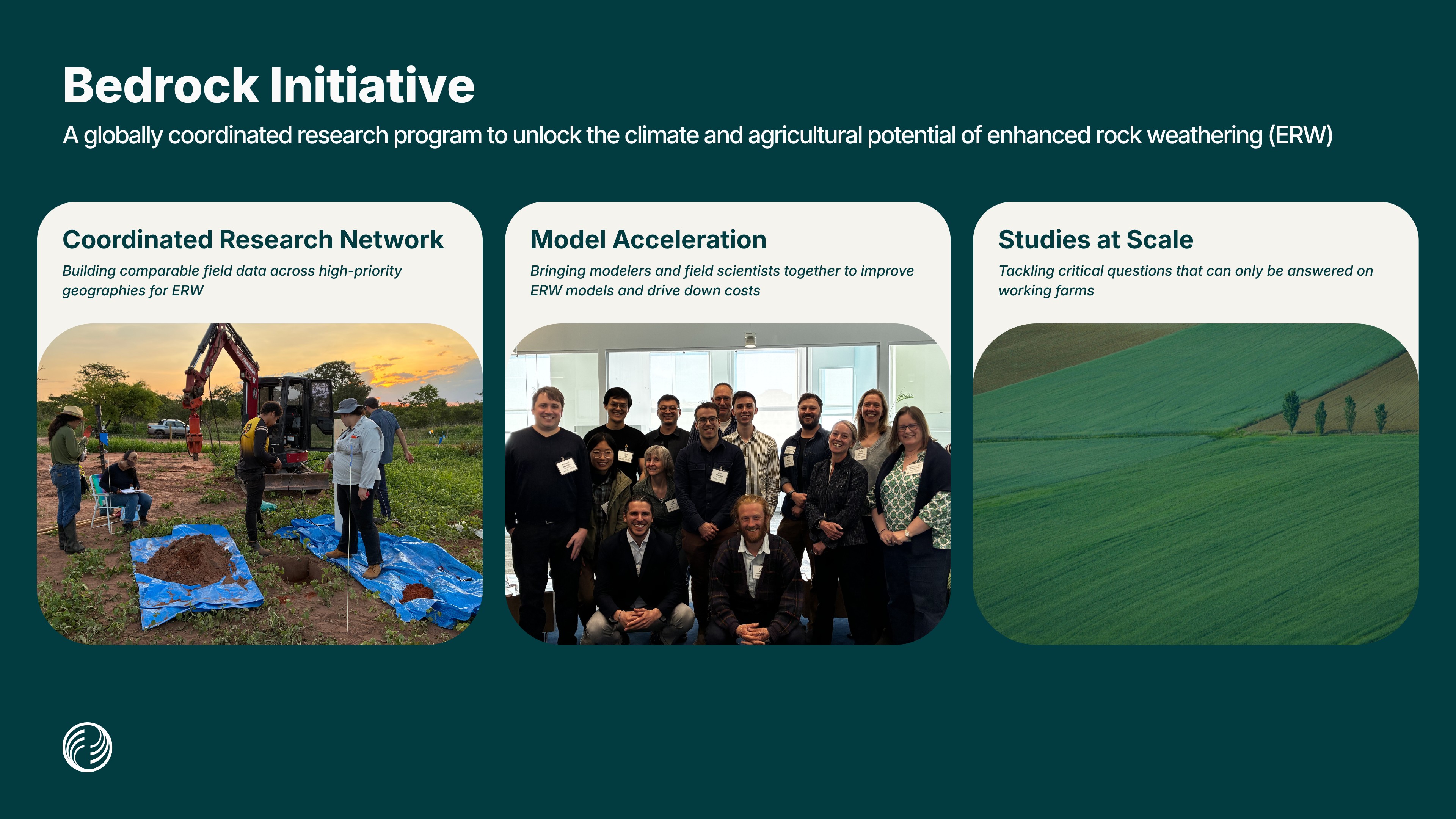
The CRN is an expansive undertaking, but it is only one part of the Bedrock Initiative, a global initiative convened by Cascade to strengthen the evidence base for ERW.
Model Acceleration brings field scientists and modelers together to improve how ERW performance is predicted across different conditions; insights from Bedrock's first modeling workshop are already shaping CRN research, and data from the network will in turn help test and strengthen those models.
Studies at Scale will complement these smaller, intensively measured sites by tackling questions that emerge in larger, real-world deployments, with potential studies spanning catchment-level monitoring, soil organic carbon dynamics, and large-acre yield trials on farmers' fields.
Bedrock is built to coordinate progress on ERW alongside others who are leading the way. We're always looking for partners who share our commitment to advancing ERW science globally by coordinating on research design and protocols. To learn how you can get involved, please email [email protected].
To receive updates from the CRN teams and the broader Bedrock Initiative as this work unfolds, join Cascade's newsletter.